
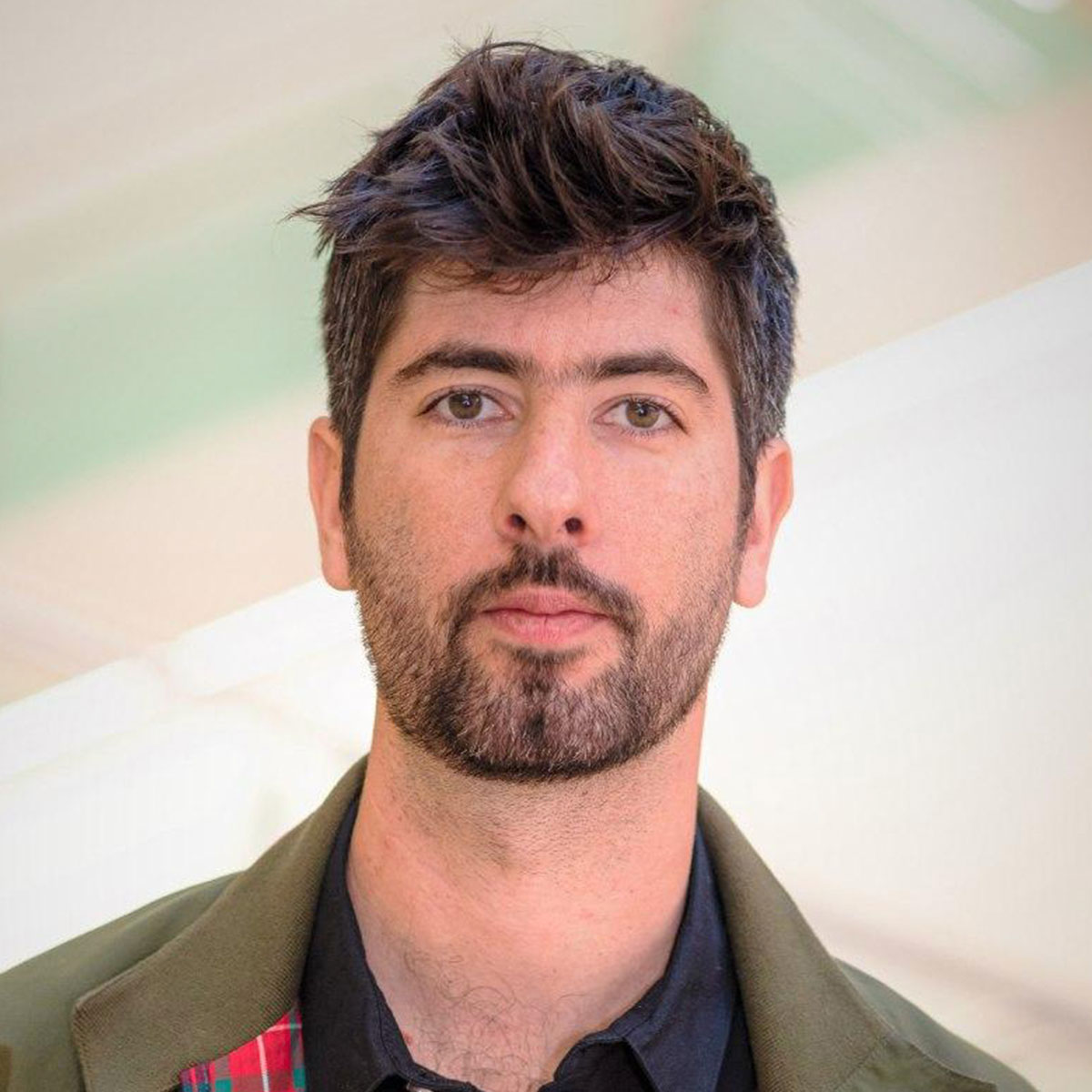
In the relentless world of social justice activism, there’s an unspoken rule: the cause always comes first. But what happens when the activists themselves begin to break? In a recent conversation, Alon-Lee Green, a leading Israeli peace activist, and Daniel Maté, co-author of The Myth of Normal, explored a radical idea: that for activists on the front lines of conflict, self-care isn’t selfish—it’s essential for survival and long-term success.
For many activists, the work is all-consuming. The constant exposure to violence, trauma, and the sheer weight of the struggle can lead to a state of chronic exhaustion. Research confirms this reality, with some studies estimating that 50-60% of activists experience burnout . This is often fueled by what one study calls a “culture of martyrdom,” where tending to one’s own well-being is seen as a lack of commitment .
Alon-Lee Green, the National Director of the Jewish-Arab movement Standing Together, lives this reality daily. “The level of noise and attacks and challenges that exist...is so high,” he shared. His antidote is simple yet profound: “Home. I feel in so many ways that home is a place where I can recharge and regain and prepare to the outside.” He describes carving out quiet hours in the early morning, a conscious choice “not to pick things up, not to be exposed.”
In an age of social media, the front lines are everywhere. Activists are inundated with graphic images and stories of suffering, leading to what experts call secondary trauma. “It’s so easy to just go on my Instagram or my TikTok...and without expecting, see a dead body...or seeing immense pain,” Green says. “And then you just move on.”
This cycle of exposure without processing takes a heavy toll. A 2025 study of activists in Georgia found that nearly 80% exhibited moderate to severe anxiety and depression . Daniel Maté, who has written extensively on trauma, shared the story of a Palestinian activist who realized she couldn’t serve her people by working herself into a coma. “To be an effective activist,” Maté concluded, “you have to have a foundation around you and your relationships have to be healthy.”
What’s changing is the conversation itself. Both Maté and Green are part of a generation that is increasingly “trauma-aware.” As Maté notes, “we’re living at a time where trauma is mainstream so everyone knows they’re carrying pain.” This awareness is shifting the culture of activism from one of pure self-sacrifice to one of sustainable engagement.
By acknowledging their own trauma, activists are better equipped to meet others on a more equal playing field, fostering healthier movements and more effective strategies for change. The lesson is clear: true, lasting liberation for a community cannot be built on the burnout of its most dedicated members. The revolution, it turns out, must also be internal.
https://doi.org/10.1093/jhuman/huv011
Key findings: Estimated that 50-60% of activists within social movements experience burnout. Identified a "culture of martyrdom" in social justice movements where self-care is associated with lack of commitment or self-indulgence. Based on interviews with 22 SJHR activists in the United States.
https://pmc.ncbi.nlm.nih.gov/articles/PMC12465690/
Key findings: Nearly 80% of activists exhibited moderate to severe anxiety and depression levels during political turmoil in Georgia.


.svg)


